October 16, 2026
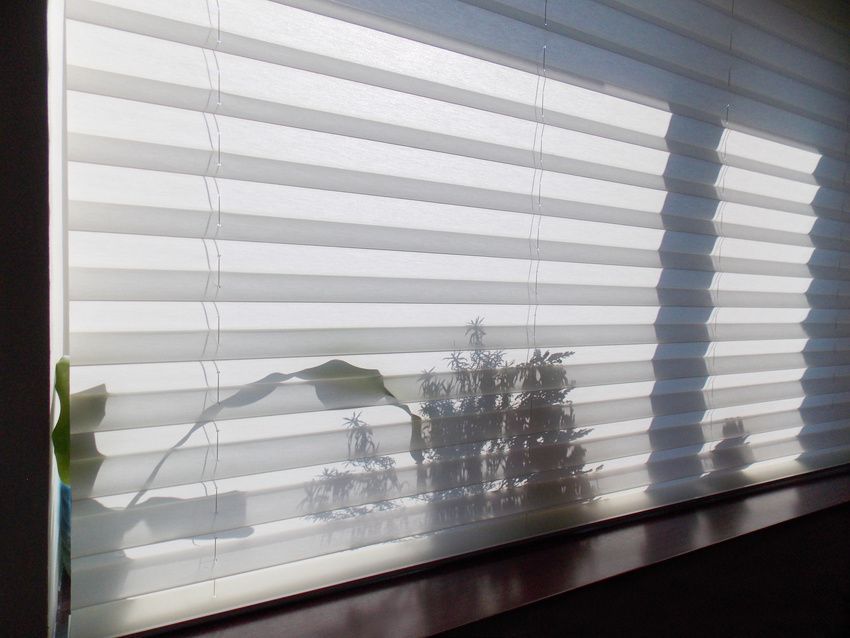
Energy-conscious homeowners look for ways to make their homes more comfortable without relying entirely on heating and cooling systems. Window treatments can play a meaningful role because they influence how much sunlight enters a room and how much conditioned air is affected by the glass. Cellular shades are especially appealing because their distinctive honeycomb construction creates pockets of air between the room and the window.
Those air pockets provide an insulating layer that can help moderate heat transfer through the glass. During colder months, they can help reduce the impact of chilly windows, while during warmer weather, they can limit some of the heat entering through sun-exposed areas. This can complement broader efforts to improve comfort and manage household energy use.
For homeowners considering cellular shades services, the design offers a balance of insulation, light control, privacy, and a clean appearance. The result is a window treatment that can support everyday comfort while fitting naturally into many interior styles.
Reducing Seasonal Heat Transfer
Windows can be a significant point of heat exchange in a home. Even when walls are well insulated, glass can allow outdoor temperatures to influence indoor spaces. Cellular shades add another layer between the interior and the window, helping create a buffer that can reduce the intensity of those temperature changes.
The effectiveness of any window treatment depends on factors such as window construction, orientation, shade design, installation, and how consistently the treatment is used. For that reason, cellular shades services are most valuable when the shade style and configuration are matched to the specific window and room.
Improving Indoor Comfort
Energy efficiency is not only about utility bills. It is also about creating rooms that feel comfortable throughout changing seasons. A home may have areas that become noticeably warmer near sunny windows or cooler beside glass during winter. Cellular shades can help moderate those differences and make the space feel more consistent.
Different fabrics and opacity levels allow homeowners to decide how much daylight they want in a room. A brighter living area may benefit from a light-filtering option, while a bedroom may call for greater privacy and reduced morning light.
This flexibility makes cellular shades suitable for bedrooms, living rooms, home offices, dining areas, and other spaces where temperature, privacy, and daylight all matter. Thoughtful cellular shades services can help homeowners select options based on how each room is used.
Supporting Natural Light Management
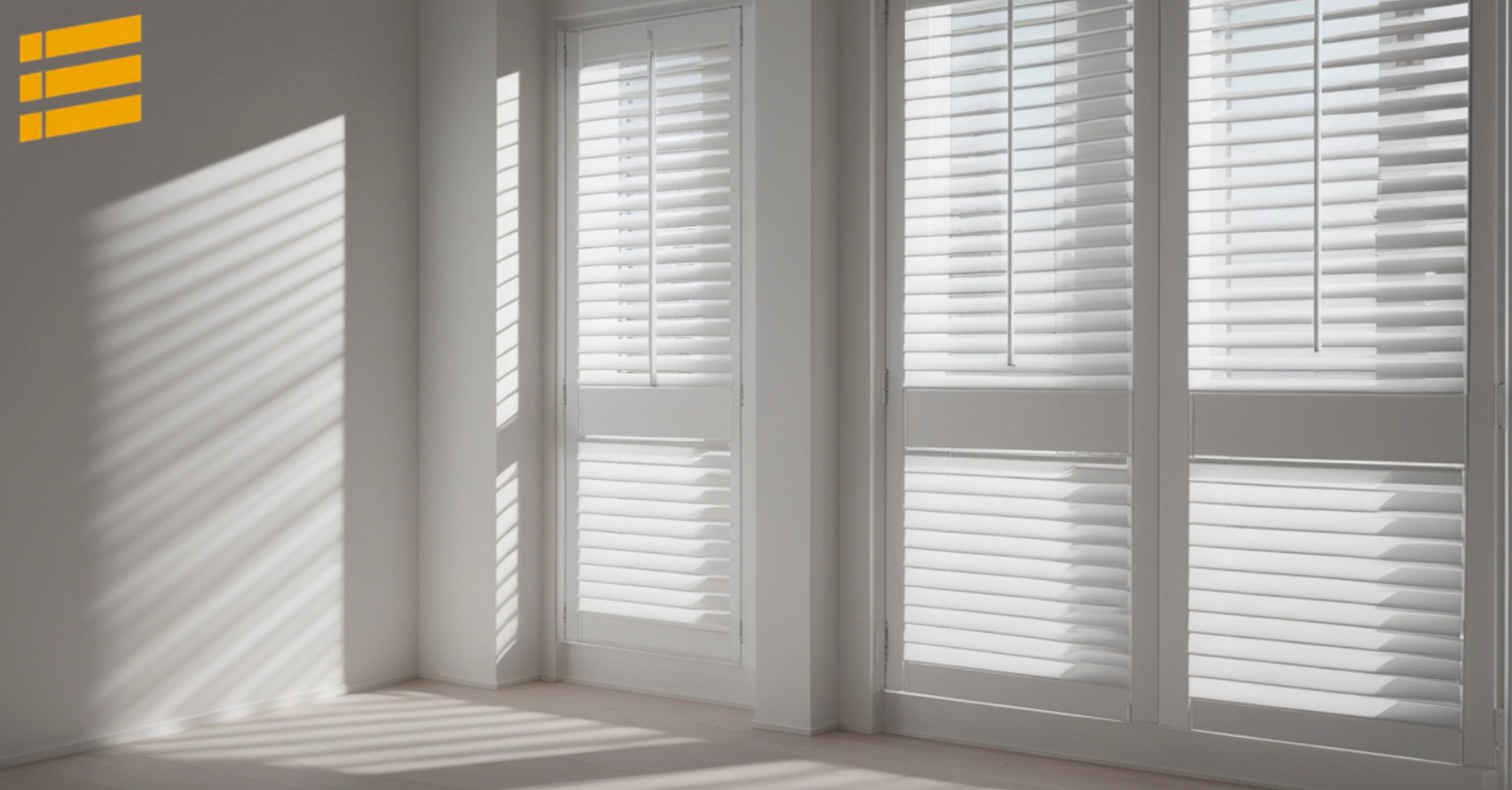
A comfortable, energy-conscious home does not have to feel dark. Cellular shades can help homeowners manage daylight while maintaining a welcoming interior. Depending on the fabric and opacity, shades can soften bright sunlight, reduce glare, or provide stronger light control when needed.
For homes with several window orientations, rooms may have different daylight patterns. East-facing windows receive morning sun, while west-facing windows can receive stronger afternoon light. Considering those patterns can help determine where more substantial light control may be useful.
Choosing Styles for Different Rooms
Cellular shades are available in configurations that can suit different privacy and lighting needs. Single-cell designs provide the basic honeycomb structure, while double-cell options add another layer of air pockets. Some shades offer top-down or bottom-up operation, allowing homeowners to control privacy and daylight from different directions.
Homeowners evaluating cellular shade services can also consider cordless and motorized configurations. Cordless operation provides a clean appearance and convenient use, while motorized options can make it easier to adjust hard-to-reach windows or coordinate multiple treatments.
Comparing Insulation and Light Control
One of the strengths of cellular shades is that they address more than one window concern at the same time. Some homeowners prioritize privacy, while others are more concerned with glare, heat gain, or the appearance of bare glass. A well-matched shade can help address several of these needs without requiring separate treatments for each concern.
The cellular structure is central to the design. The fabric forms connected pockets that create space between layers, helping reduce direct transfer between the window and interior. The exact performance varies by product, fabric, window, and installation, so homeowners should consider the specific characteristics of the treatment rather than assuming every cellular shade performs identically.
This is where professional guidance can be useful. A knowledgeable installer can discuss available configurations and help connect practical goals with design preferences. Shade services can therefore be part of a broader approach to making rooms more comfortable and visually cohesive.
Planning for Professional Installation
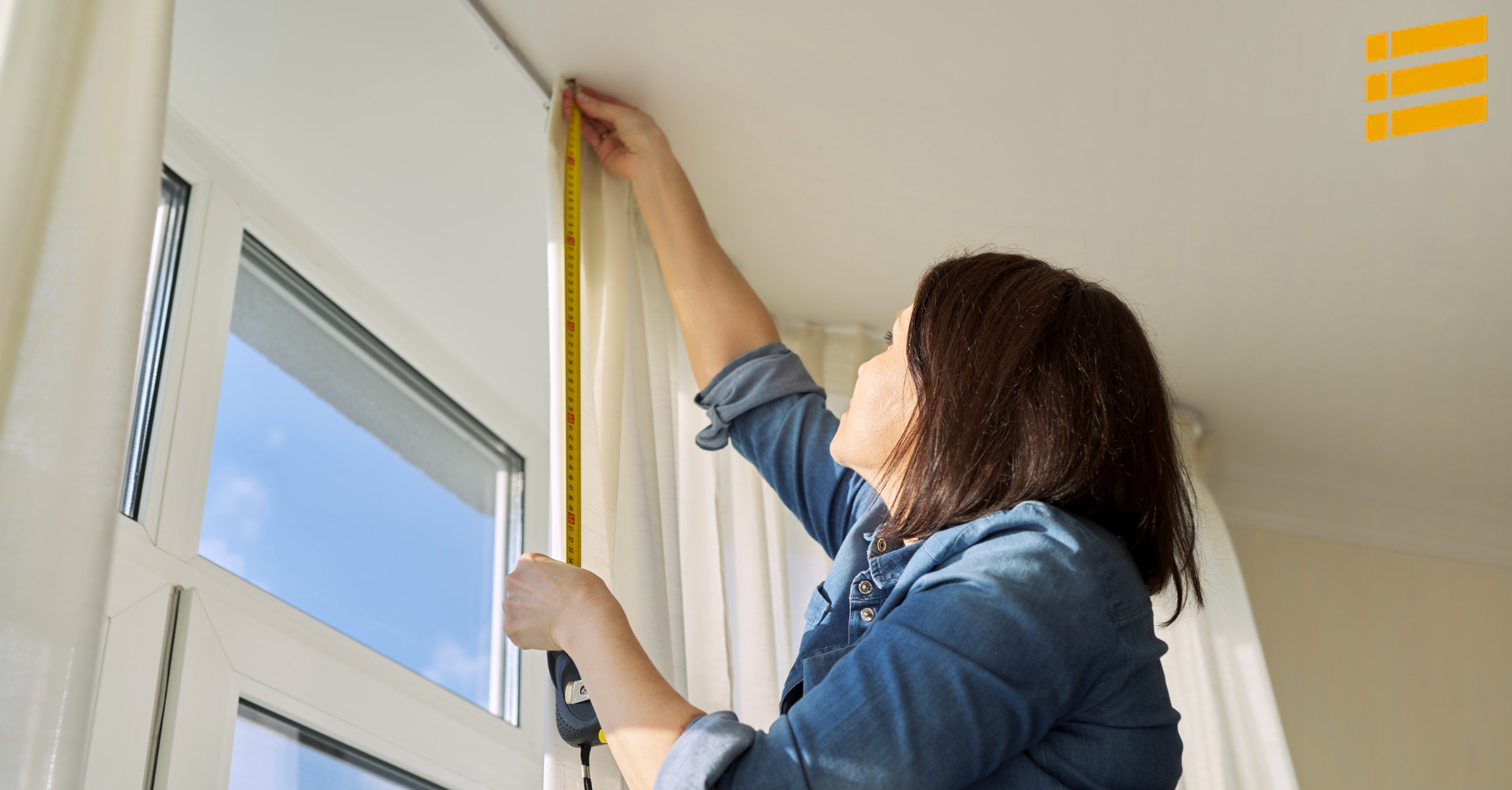
Accurate measurements and proper installation matter when window treatments are expected to perform well and look polished. A shade that is incorrectly sized may leave unwanted gaps, interfere with window operation, or fail to provide the intended coverage.
According to HomeGuide, professional window shade installation may take between 10 minutes and one hour per window, depending on the window’s size. That range illustrates why installation time can vary from one project to another. Larger windows, unusual configurations, difficult access, or specialized operating systems may require additional attention.
Professional cellular shade services can also simplify the process of coordinating multiple windows. Instead of treating each window as an isolated project, an installer can help maintain consistent alignment, appearance, and operation throughout connected rooms.
Considering Long-Term Energy Goals
Home energy performance is influenced by insulation, air sealing, window quality, HVAC efficiency, and daily habits. Cellular shades can be a practical part of that larger picture by adding another controllable layer between indoor spaces and outdoor conditions.
Cellular shades services can support those goals by helping homeowners select treatments that fit the dimensions, use, and priorities of individual rooms. Rather than focusing on a single feature, the selection process can consider privacy, light, appearance, operation, and seasonal comfort together.
Balancing Efficiency and Design
A major reason cellular shades remain popular is that energy-conscious choices do not have to look purely utilitarian. Their streamlined appearance can work with contemporary, traditional, transitional, and many other interior styles. The shades can recede into the room visually while still providing useful control over light and privacy.
For homeowners comparing cellular shades services, it can be helpful to consider the entire window rather than selecting a treatment based only on appearance. Window size, orientation, room function, privacy needs, and desired light levels all contribute to a practical choice.
Maintaining Everyday Convenience
Convenience matters because window treatments work best when people can easily adjust them as conditions change. A shade that is simple to operate can be opened for daylight, lowered for privacy, or adjusted when direct sun becomes uncomfortable. Motorized options can add convenience in rooms with numerous windows or hard-to-reach locations.
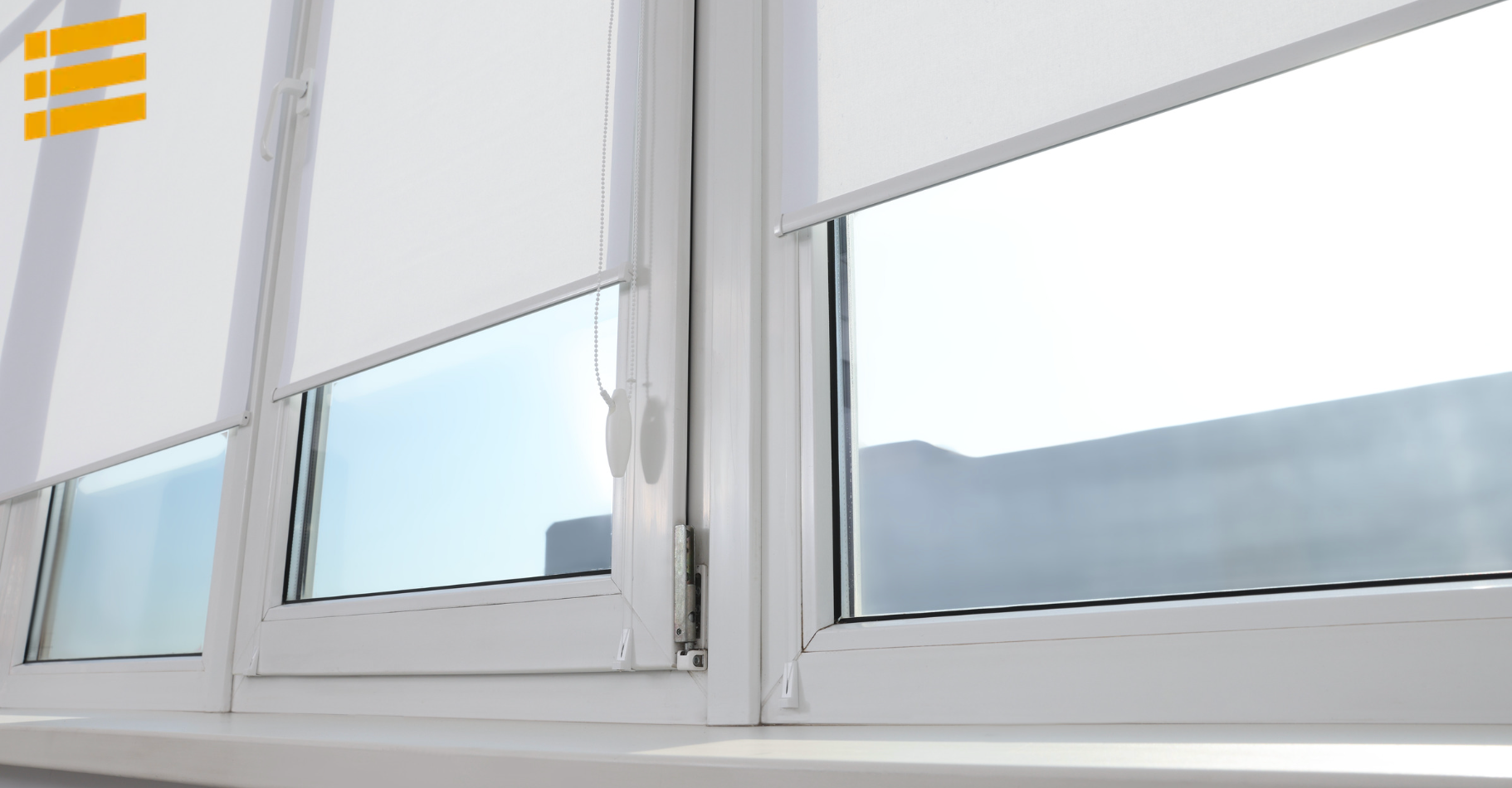
Cordless designs can also create a streamlined appearance around the window. For households with children or pets, cordless operation may offer an additional safety consideration because there are no loose operating cords hanging near the window.
As seasons change, these small daily adjustments can become part of a home's normal routine. Shade services can help homeowners choose operating features that make sense for the way each room is actually used, supporting both comfort and ease of use.
Preparing for Seasonal Changes
Fall and winter are useful times to evaluate how windows affect indoor comfort before colder weather becomes more established. Closing shades at appropriate times can help create an additional insulating layer, while opening them during suitable daylight hours can bring natural warmth and illumination into the home.
As spring and summer arrive, cellular shades can help limit direct sunlight during hotter parts of the day. Their flexibility makes them useful throughout the year for managing light, privacy, and comfort. With thoughtful selection and professional installation, cellular shades combine practical performance with an attractive appearance.
For homeowners seeking energy-conscious window treatments, cellular shades services provide a versatile solution. Elevated Views can help you explore options suited to your home’s needs and design. Contact the team today to get started.